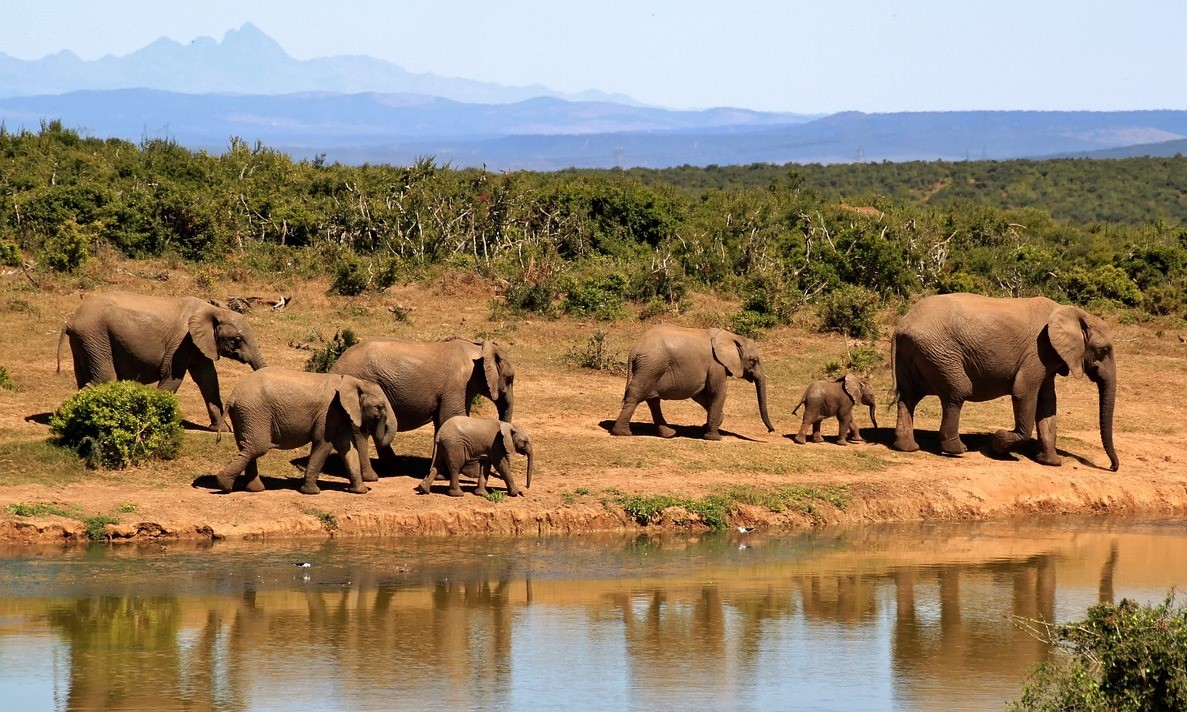
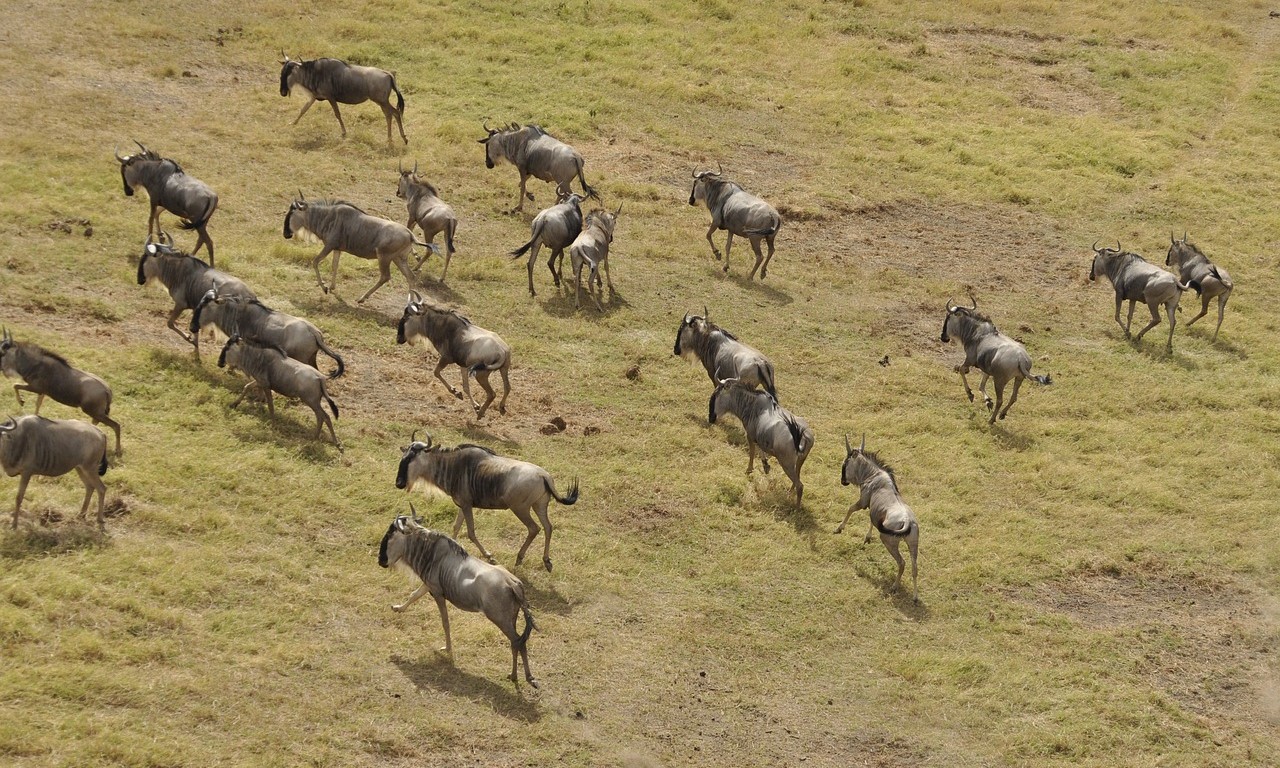
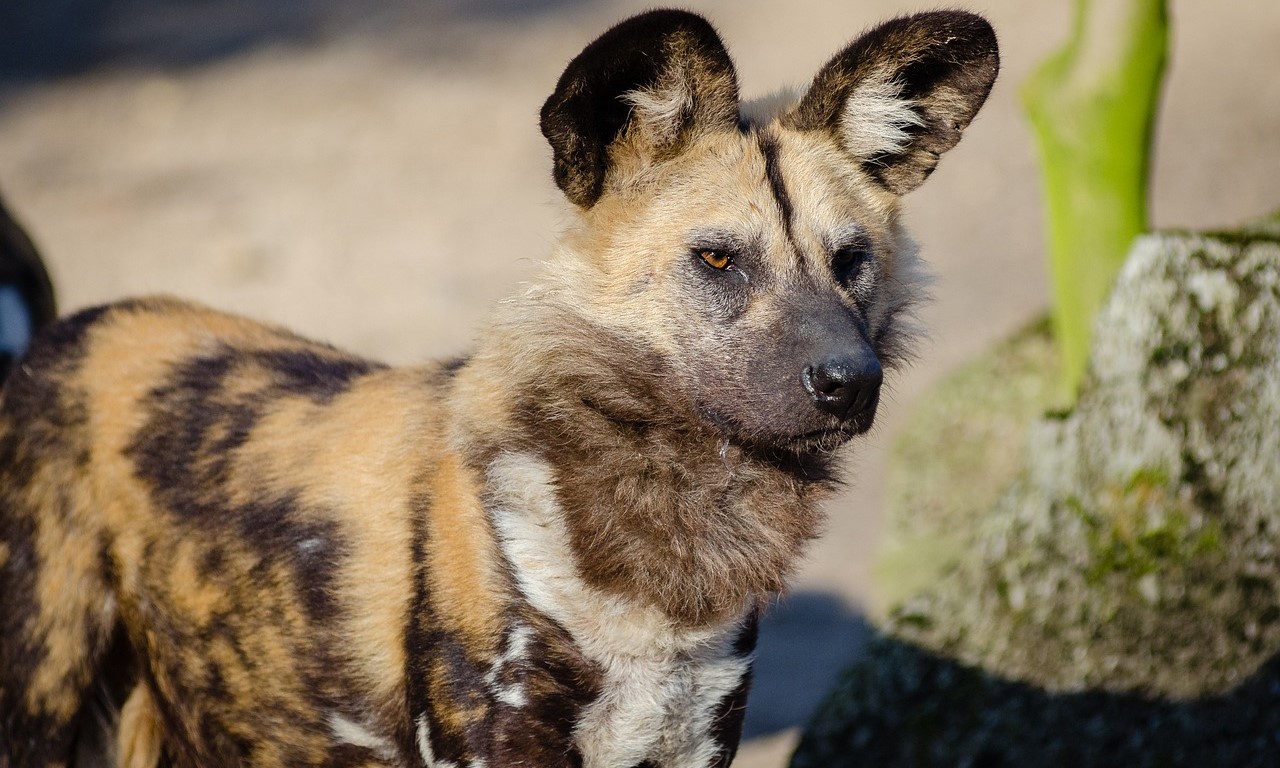
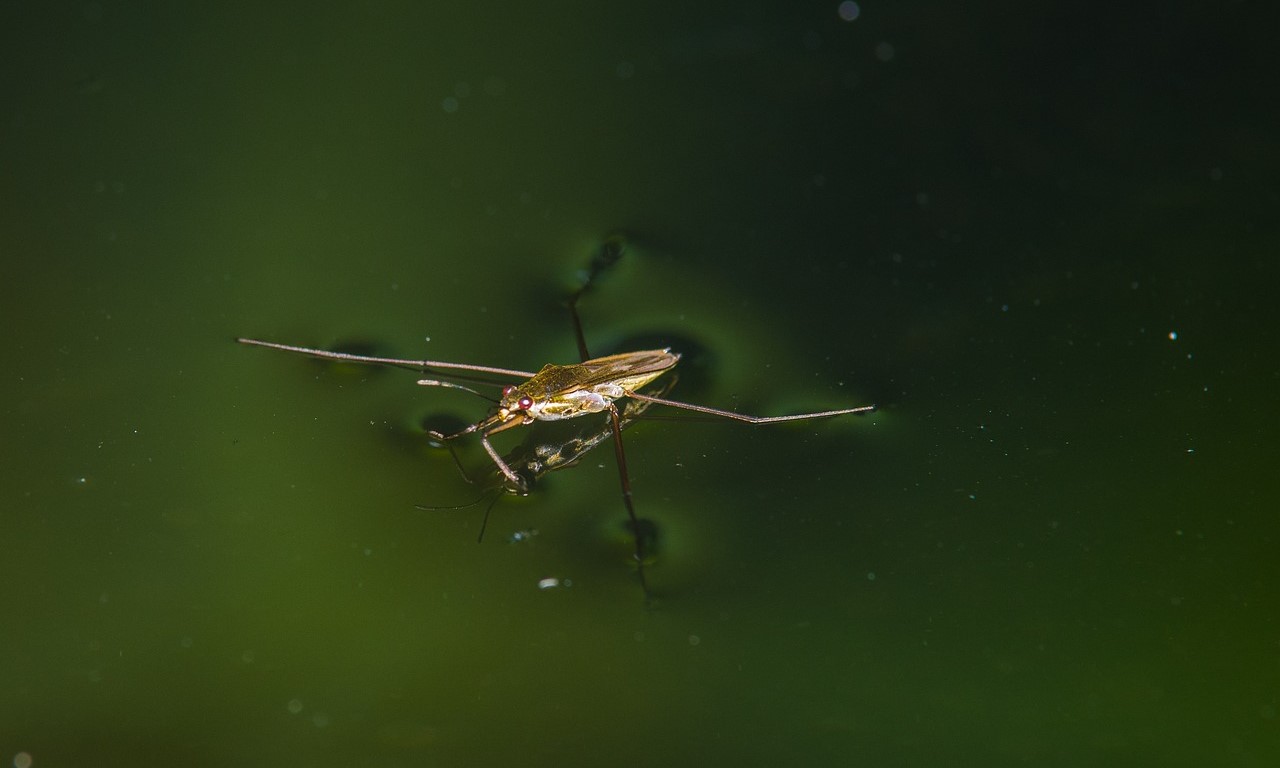
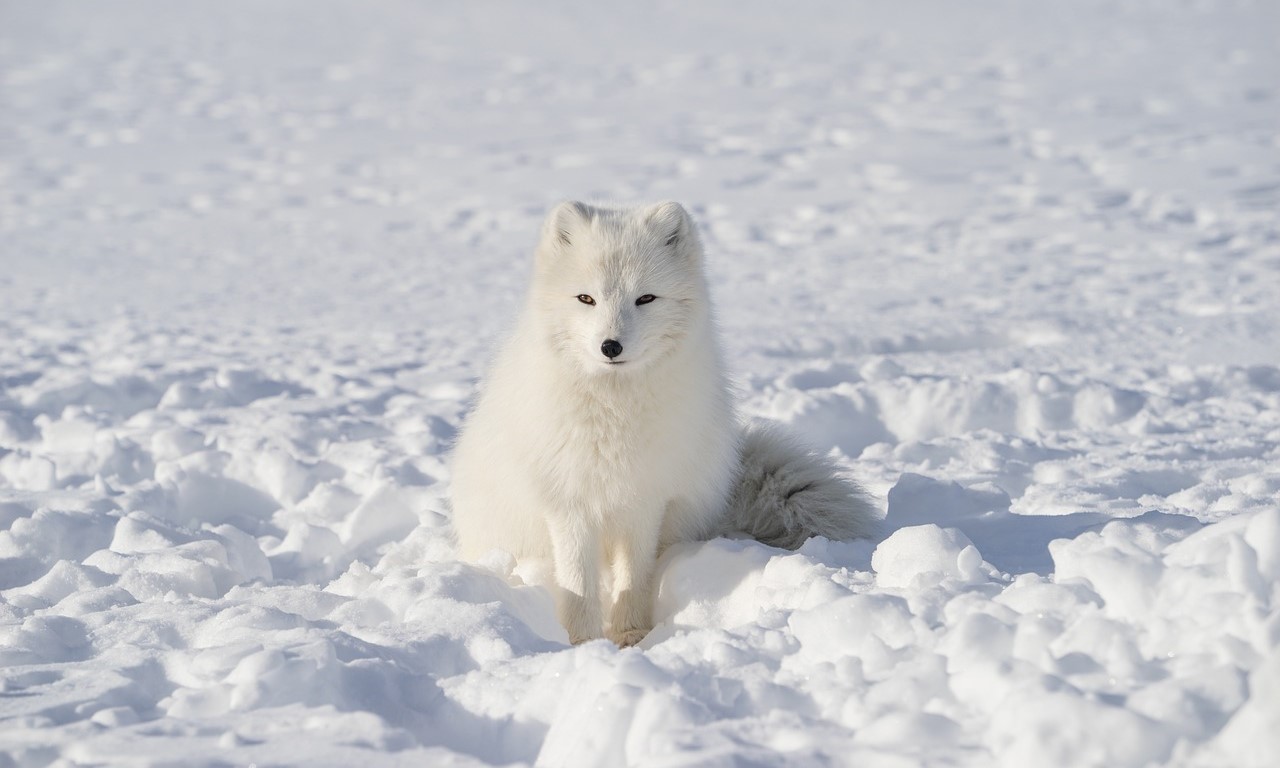
Wildlife refers to all living organisms that are not domesticated or cultivated by humans, encompassing a diverse array of species inhabiting various ecosystems around the world. From microscopic organisms to large mammals, wildlife plays a vital role in maintaining the health and balance of ecosystems, contributing to processes such as pollination, nutrient cycling, and predator-prey dynamics. Wildlife can be found in terrestrial, aquatic, and aerial habitats, ranging from dense rainforests and vast savannas to icy tundras and deep ocean trenches.
The conservation of wildlife is of paramount importance due to the myriad of benefits it provides to humans and the environment. Beyond intrinsic value, wildlife supports essential ecosystem services such as carbon sequestration, water purification, and soil fertility, which are critical for sustaining life on Earth. Additionally, wildlife-based tourism generates significant economic revenue for many countries, providing livelihoods for local communities and contributing to the conservation of natural habitats.
However, wildlife faces numerous threats, including habitat loss, climate change, poaching, pollution, and human-wildlife conflict. These threats, often exacerbated by human activities, have led to the decline and extinction of many species worldwide. Conservation efforts aimed at protecting wildlife and their habitats are essential for safeguarding biodiversity, preserving ecosystem functionality, and ensuring the well-being of both wildlife and human communities now and in the future.