Earth | 10 Interesting Facts
All Stories
10 Interesting Facts about Geodes
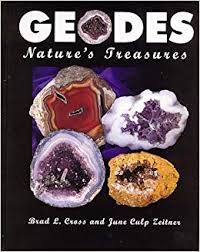
Have you heard the 10 Interesting Facts about Geodes? Geodes (derived from the Greek word "γεώδης" meaning "Earth like") are geological secondary formation within sedimentary and volcanic rocks. Geodes are hollow, vaguely circular rocks, in which masses of mineral matter (which may include crystals) are secluded. The crystals are formed by the filling of vesicles
10 Interesting Facts about Iron Ore
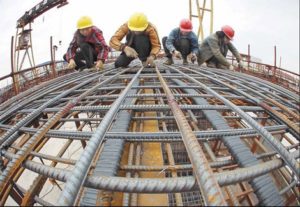
Without iron ore, there would be no skyscrapers, no bridges, no cars —
and no modern civilization as we know it. This humble mineral has fueled
empires and built the modern world. These ten facts explore the
remarkable journey of iron ore through history and industry.
10 Interesting Facts about Tornadoes
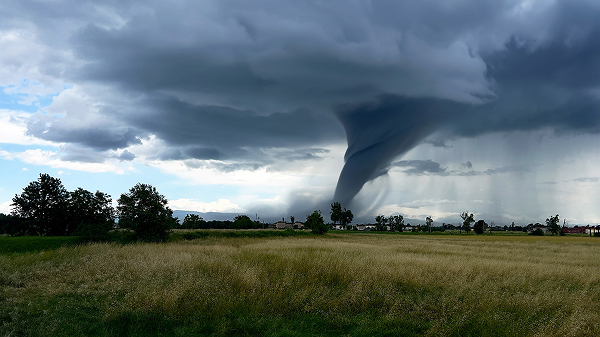
Spinning at speeds over 300 miles per hour, tornadoes are among the most
violent and awe-inspiring forces in nature. They can level a city block
and leave the next untouched. These ten facts explore the terrifying
science, record-breaking storms, and remarkable stories behind Earth's
most dramatic weather phenomenon.
10 Interesting Facts about Whirls
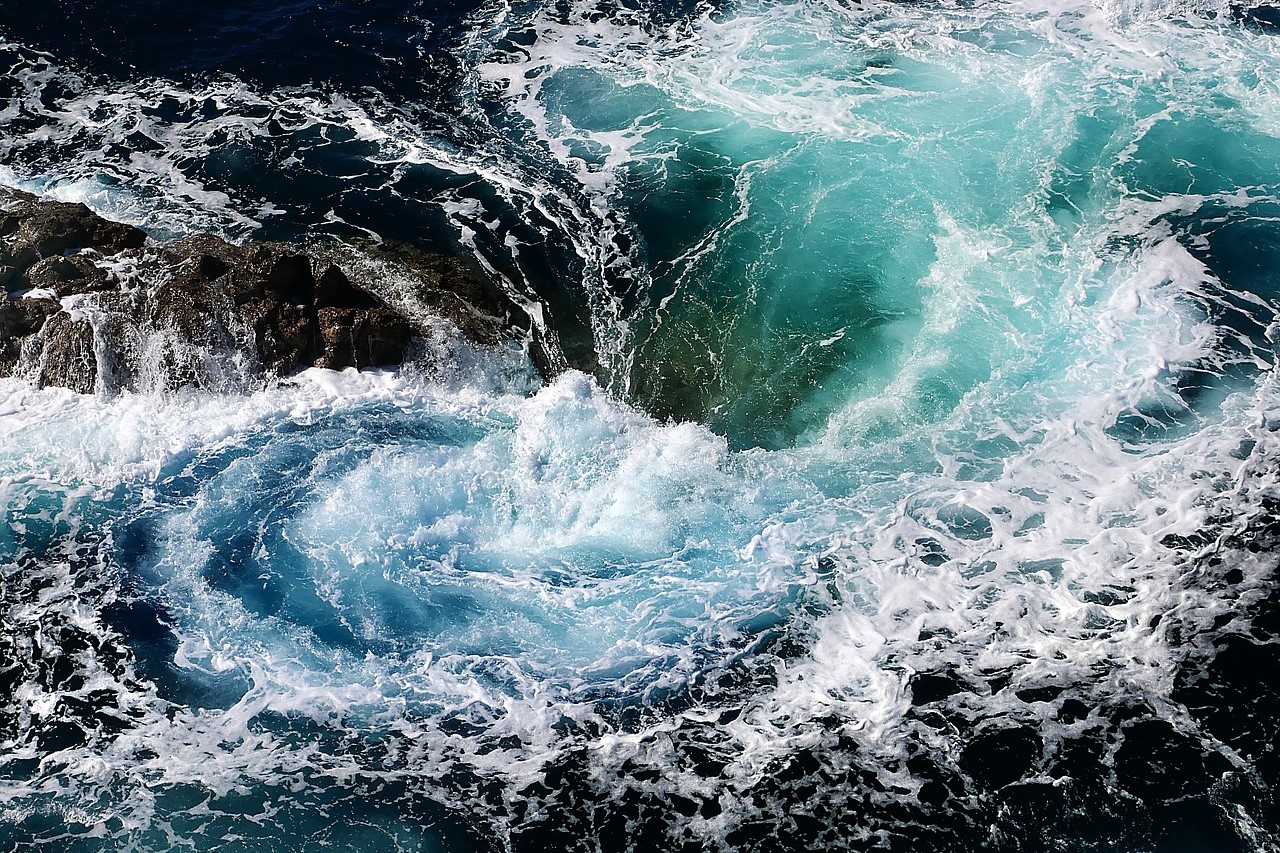
Whirls, also known as whirlpools or vortexes, are natural phenomena characterized by swirling currents of water, air, or other fluids. They occur when opposing forces create rotational motion, causing fluid to spiral inward or outward in a circular or spiral pattern. Whirls can vary in size, from small eddies in streams and rivers to massive
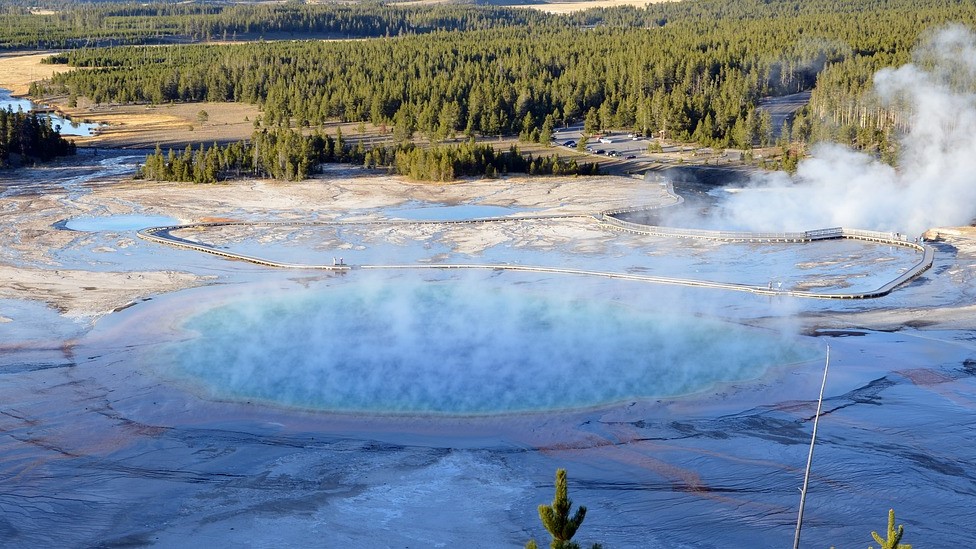
10 Interesting Facts about Yellowstone Caldera
The Yellowstone Caldera, often referred to simply as the Yellowstone Supervolcano, is a colossal volcanic caldera located predominantly in Yellowstone National Park in the United States. It represents one of the largest active volcanic systems on Earth, covering an area of about 30 miles by 45 miles (48 km by 72 km). The caldera was
