Whirls, also known as whirlpools or vortexes, are natural phenomena characterized by swirling currents of water, air, or other fluids. They occur when opposing forces create rotational motion, causing fluid to spiral inward or outward in a circular or spiral pattern. Whirls can vary in size, from small eddies in streams and rivers to massive whirlpools in oceans and seas.
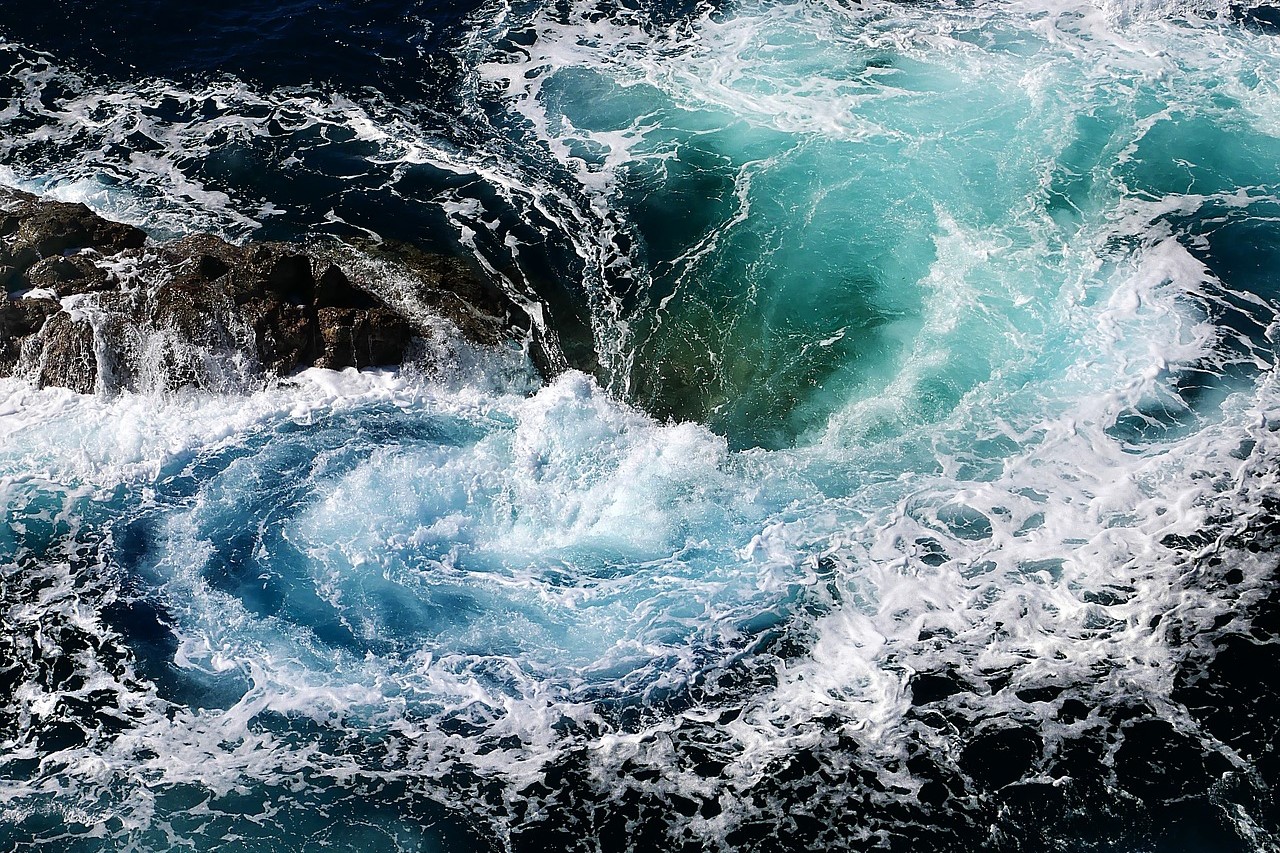
One common type of whirl is the oceanic whirlpool, which can form under certain conditions such as strong tidal currents, underwater topography, or the interaction of different water masses. Oceanic whirlpools, such as the famous Maelstrom off the coast of Norway or the Corryvreckan whirlpool in Scotland, can be powerful and dangerous, posing risks to ships and navigation.
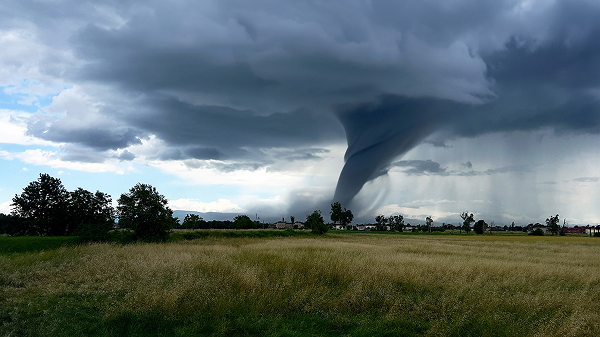
Whirls also occur in the atmosphere, where they manifest as tornadoes, dust devils, or cyclones. These atmospheric whirls are driven by factors such as temperature differentials, wind shear, and convective processes, and they can range in intensity from mild to extremely destructive. Tornadoes, for example, are intense rotating columns of air that extend from thunderstorms to the ground, capable of causing widespread damage and devastation. Understanding the mechanisms behind whirls in both the ocean and the atmosphere is essential for predicting their behavior and mitigating their potential impacts on human activities and the environment.