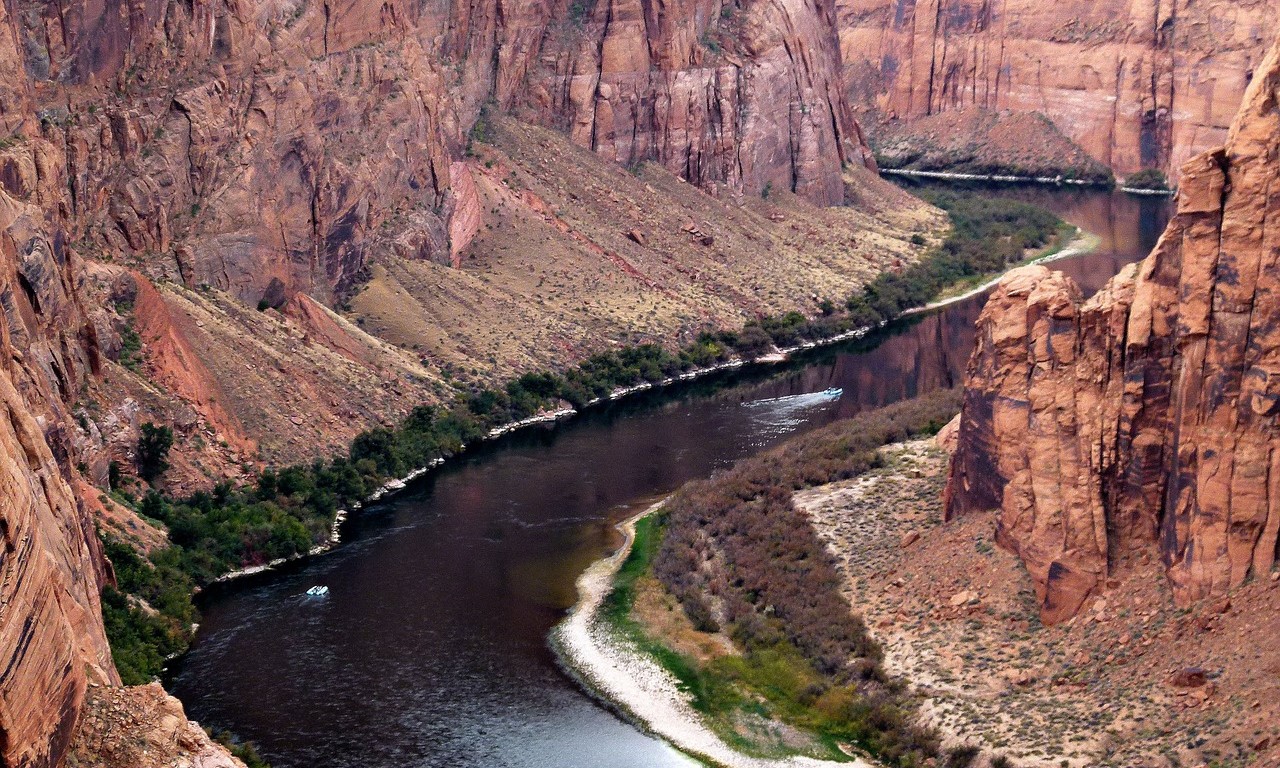
Water erosion is a natural process whereby water transports soil and rock particles from one location to another, shaping the Earth’s surface over time. It occurs through various mechanisms, including sheet erosion, rill erosion, gully erosion, and streambank erosion, each influenced by factors such as precipitation intensity, soil type, slope gradient, and land use practices. Sheet erosion involves the uniform removal of thin layers of soil by flowing water, often occurring on gentle slopes and resulting in the loss of fertile topsoil. Rill erosion occurs when concentrated flow forms small channels, or rills, on the soil surface, while gully erosion involves the formation of deeper and wider channels known as gullies, typically in areas with high runoff and inadequate vegetation cover.
Water erosion can have significant impacts on soil fertility, land productivity, and ecosystem health. As soil particles are transported by water, valuable nutrients and organic matter can be lost, leading to soil degradation and reduced agricultural yields. Additionally, water erosion contributes to sedimentation in water bodies, impairing water quality, disrupting aquatic habitats, and increasing the risk of flooding. The effects of water erosion are particularly pronounced in regions with vulnerable soils, steep terrain, intense rainfall events, and unsustainable land management practices.
Mitigating water erosion requires a multifaceted approach that addresses both the underlying causes and the immediate impacts of erosion. Soil conservation practices such as contour plowing, terracing, and strip cropping help to minimize soil loss by reducing the speed and volume of runoff and enhancing soil stability. Vegetation plays a crucial role in erosion control by intercepting rainfall, stabilizing soil with root systems, and promoting infiltration. Afforestation, reforestation, and the establishment of riparian buffers are effective strategies for restoring vegetation cover and enhancing ecosystem resilience against erosion. Furthermore, land-use planning, erosion monitoring, and community engagement are essential components of sustainable watershed management efforts aimed at mitigating water erosion and preserving soil and water resources for future generations.