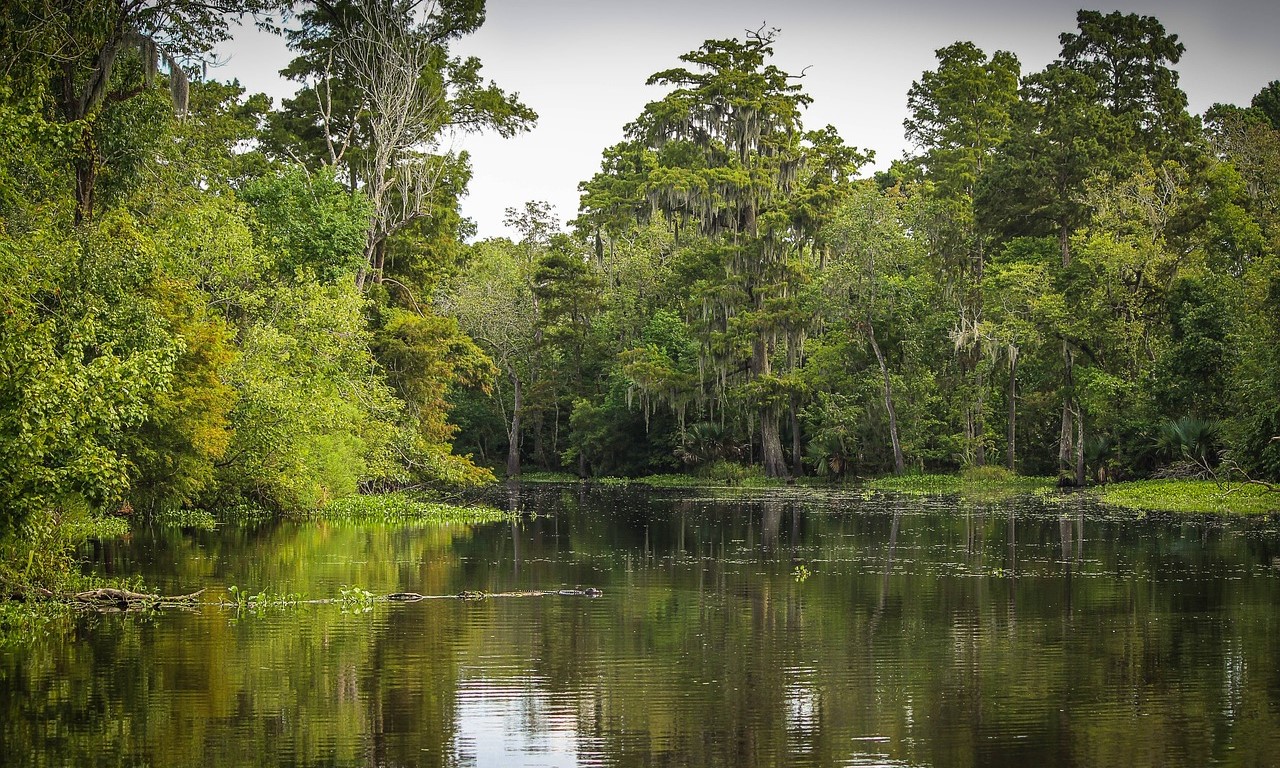
Wetlands are unique ecosystems characterized by the presence of water, either permanently or seasonally, creating conditions that support a diverse array of plant and animal life. These habitats play a crucial role in maintaining ecological balance and providing valuable ecosystem services. Wetlands serve as natural filters, purifying water by trapping pollutants and sediments, and they also help regulate water flow, reducing the risk of flooding and erosion in adjacent areas.
One of the defining features of wetlands is their high biological productivity, fueled by nutrient-rich soils and abundant water. Wetlands support a wide variety of plant species, including emergent vegetation such as cattails and bulrushes, floating plants like water lilies, and submerged vegetation such as pondweeds and water milfoil. These plants provide habitat and food for a diverse range of wildlife, including birds, fish, amphibians, and insects, making wetlands vital for biodiversity conservation.
Despite their ecological importance, wetlands face numerous threats from human activities, including drainage for agriculture, urban development, pollution from industrial and agricultural runoff, and climate change. The destruction and degradation of wetlands have led to loss of habitat, declines in biodiversity, and disruptions to ecosystem services. Conservation efforts aimed at protecting and restoring wetlands are essential for safeguarding these valuable ecosystems and ensuring their continued benefits for both wildlife and people.