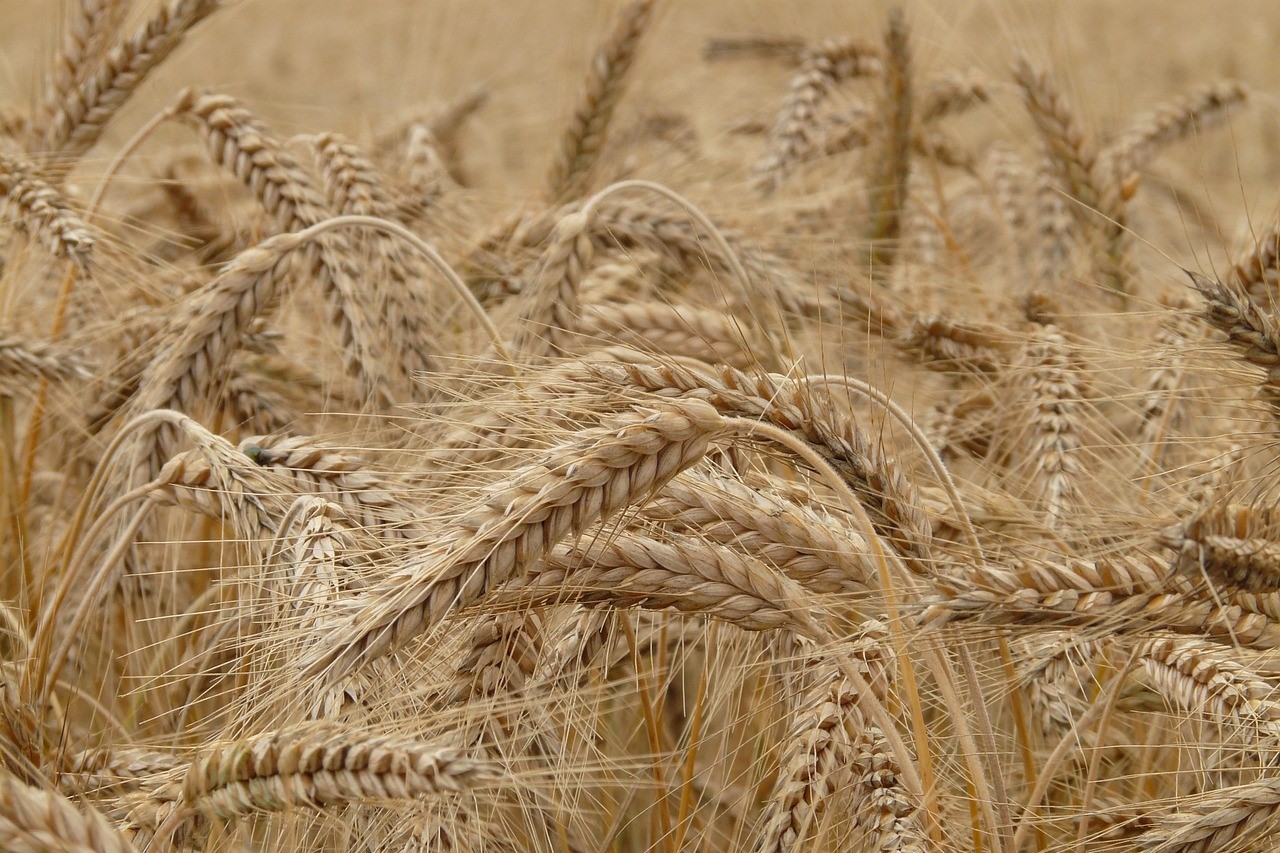
Wheat is one of the most widely cultivated cereal grains in the world and a staple food for a significant portion of the global population. Belonging to the Triticum genus, wheat is a grass cultivated for its nutritious seeds, which are commonly ground into flour and used to make bread, pasta, pastries, and a variety of other food products. Wheat is cultivated on every continent except Antarctica and is grown in diverse climates, from temperate regions to semi-arid and arid environments.
There are several different species of wheat, with the most commonly cultivated being common wheat ( Triticum aestivum ), also known as bread wheat. Other important species include durum wheat (Triticum turgidum), used primarily for making pasta, and spelt wheat (Triticum spelta), an ancient grain with a nutty flavor and high nutritional value. Wheat varieties also vary in terms of their gluten content, which affects their suitability for baking and food processing.
Wheat plays a crucial role in global food security, providing a significant source of calories, protein, and essential nutrients for billions of people worldwide. It is a versatile crop that can be used in a wide range of food products and is an important ingredient in many traditional cuisines around the world. However, wheat cultivation also presents challenges, including susceptibility to pests and diseases, the need for intensive irrigation and fertilization in some regions, and concerns about environmental sustainability. As the world’s population continues to grow, ensuring the availability and sustainability of wheat production will be essential for meeting the dietary needs of a growing population while minimizing the environmental impact of agriculture.