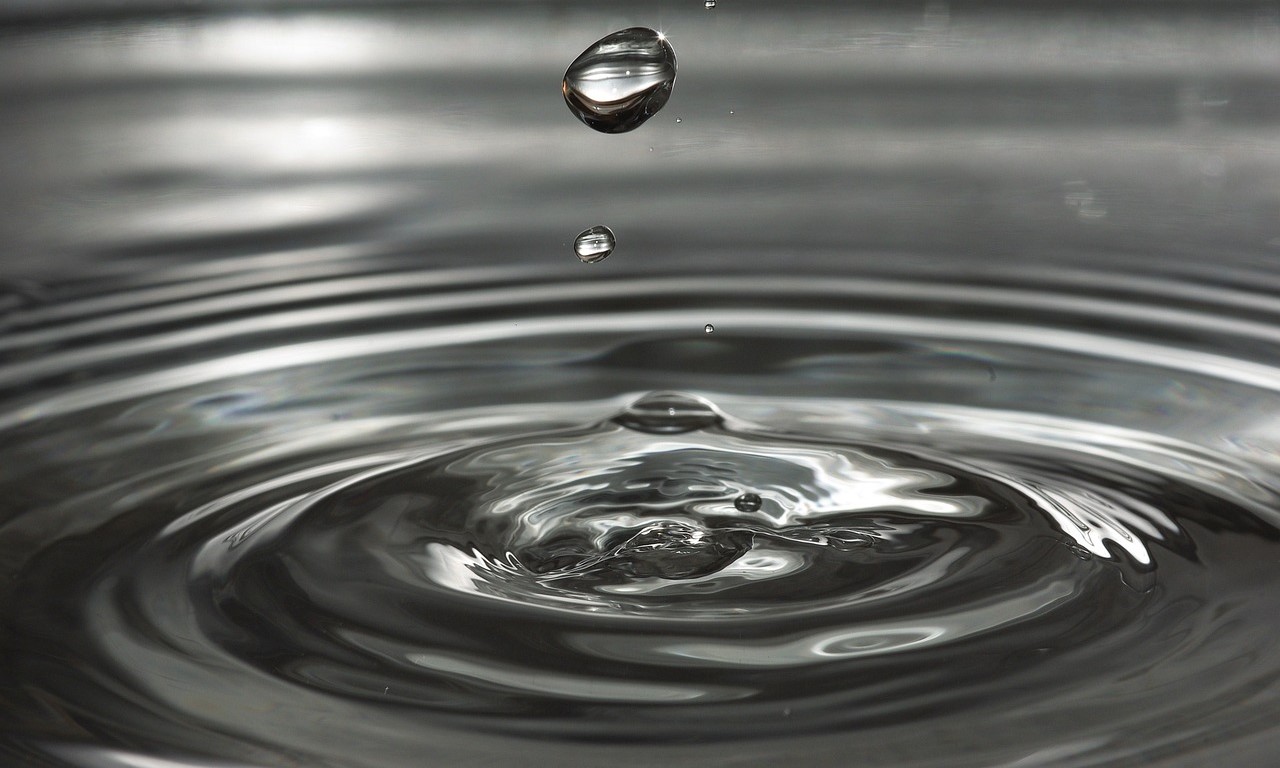
Water is one of the most essential substances for life on Earth, covering approximately 71% of the planet’s surface. It exists in various forms, including oceans, rivers, lakes, glaciers, and groundwater, and plays a crucial role in supporting ecosystems, sustaining agriculture, and meeting human needs. Water is a universal solvent, capable of dissolving a wide range of substances and facilitating chemical reactions essential for life processes.
The water cycle, also known as the hydrological cycle, describes the continuous movement of water between the atmosphere, land, and oceans through processes such as evaporation, condensation, precipitation, and runoff. This cycle regulates Earth’s climate, distributing heat and moisture across the planet and influencing weather patterns. Human activities, such as deforestation, urbanization, and industrialization, can disrupt the natural water cycle, leading to issues such as droughts, floods, and water scarcity.
Access to clean and safe drinking water is essential for human health and well-being. However, billions of people around the world still lack access to adequate sanitation and clean water sources, leading to waterborne diseases, environmental degradation, and socioeconomic challenges. Sustainable water management practices, including conservation, pollution prevention, and equitable distribution, are crucial for ensuring the availability and quality of water resources for current and future generations.