Water chemistry is a branch of chemistry that deals with the chemical properties and behavior of water. It encompasses the study of the composition, structure, and reactions of water molecules and the substances dissolved in water. One of the fundamental aspects of water chemistry is understanding its unique properties, such as its ability to dissolve a wide range of substances due to its polar nature and its role as a universal solvent. Additionally, water chemistry examines the interactions between water and other substances, including acids, bases, salts, and organic compounds.
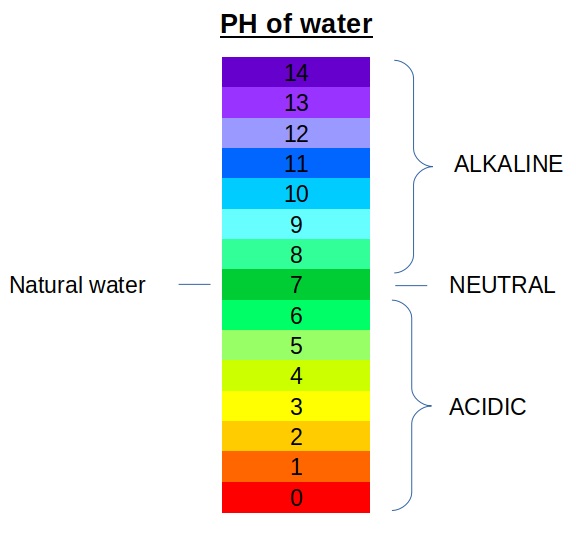
pH is a crucial concept in water chemistry, representing the acidity or alkalinity of a solution. The pH scale ranges from 0 to 14, with 7 being neutral, below 7 acidic, and above 7 alkaline. Natural water bodies, such as rivers, lakes, and oceans, have varying pH levels influenced by factors like geological formations, atmospheric deposition, and human activities. Changes in pH can have significant impacts on aquatic ecosystems, affecting the health of aquatic organisms and the overall water quality.
Another important aspect of water chemistry is the presence of dissolved ions and molecules, which contribute to the water’s properties and behavior. Common ions found in water include calcium, magnesium, sodium, chloride, and sulfate. The concentrations of these ions can affect various processes, such as the hardness of water, precipitation reactions, and the formation of scale in industrial processes. Understanding the composition and behavior of dissolved substances in water is essential for addressing issues related to water quality, treatment, and environmental management. Water chemistry plays a critical role in ensuring the sustainable use and management of water resources for various purposes, including drinking water supply, agriculture, industry, and recreation.