Westward expansion refers to the period of American history during the 19th century when settlers migrated westward across the North American continent, pushing the boundaries of the United States ever farther toward the Pacific Ocean. This era was characterized by the exploration, settlement, and development of vast territories previously inhabited by Native American tribes and claimed by other nations. The westward movement was fueled by a variety of factors, including economic opportunities, the desire for land ownership, and the belief in the ideology of Manifest Destiny, which held that it was the destiny of the United States to expand its territory across the continent.
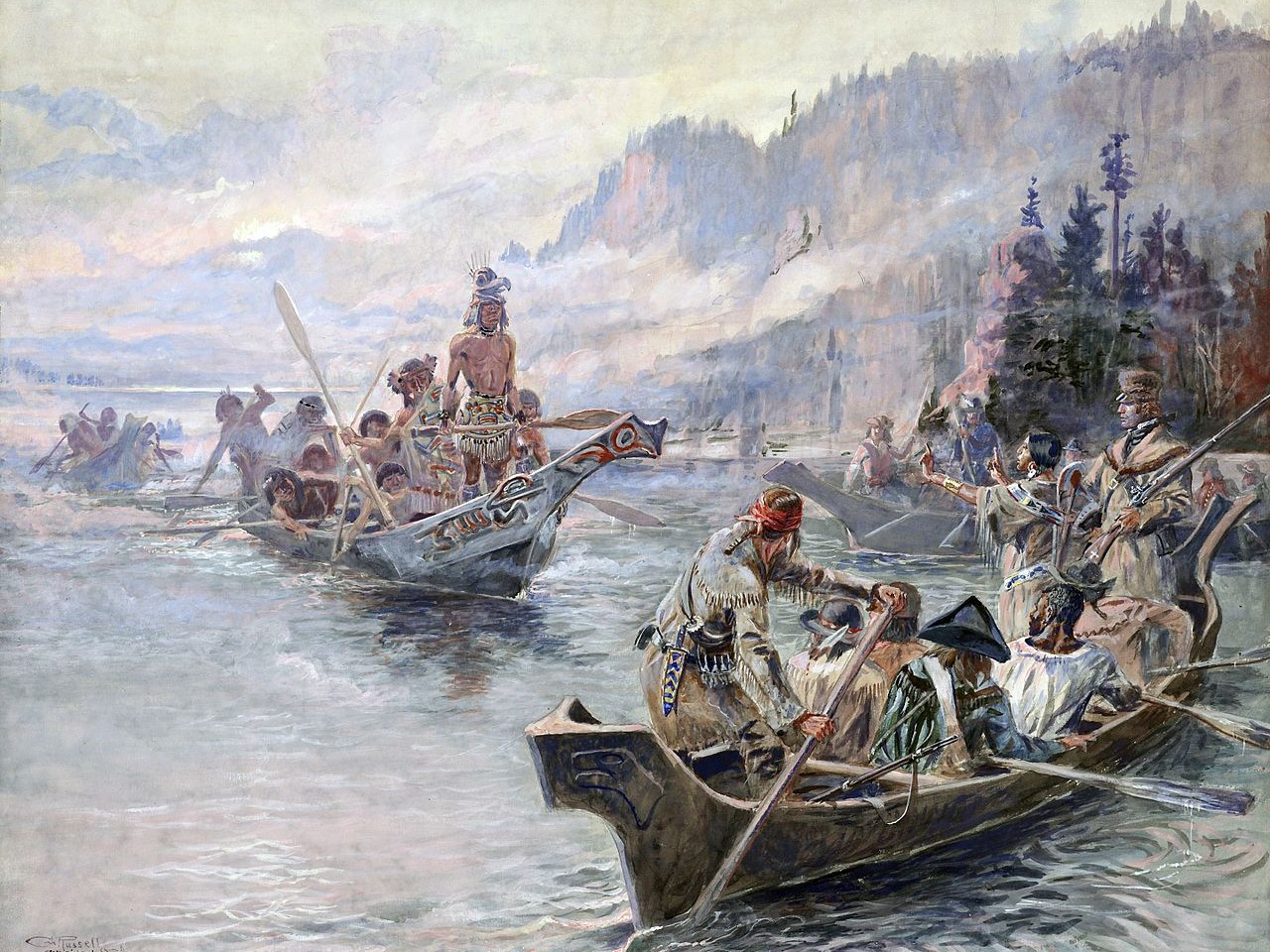
The Louisiana Purchase of 1803 marked a significant turning point in westward expansion, effectively doubling the size of the United States overnight and opening up vast new territories for settlement. Following the Louisiana Purchase, explorers such as Lewis and Clark embarked on expeditions to survey the newly acquired lands and establish routes for future settlement and trade. The Oregon Trail, California Trail, and other overland routes became major arteries for migration as pioneers sought new opportunities in the West.
Westward expansion had profound consequences for Native American tribes, many of whom were displaced from their ancestral lands and forced to relocate to reservations. Conflicts between settlers and Native Americans over land rights, resources, and cultural differences often erupted into violence, leading to a series of devastating wars and treaties that reshaped the landscape of the American West. Despite the challenges and conflicts associated with westward expansion, it ultimately transformed the United States into a continental power and laid the groundwork for the development of a diverse and dynamic nation stretching from coast to coast.