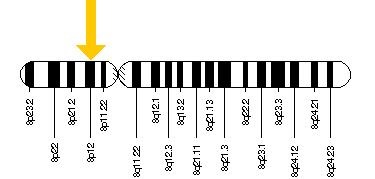
Werner syndrome, also known as adult progeria, is a rare genetic disorder characterized by accelerated aging and the premature onset of age-related symptoms. It is caused by mutations in the WRN gene, which is responsible for encoding a protein involved in DNA repair and maintenance. Werner syndrome is inherited in an autosomal recessive pattern, meaning that an individual must inherit two copies of the mutated gene (one from each parent) to develop the disorder.
Individuals with Werner syndrome typically begin to show signs and symptoms in their late teens or early twenties, much earlier than would be expected for normal aging. These symptoms may include gray hair, thinning and wrinkling of the skin, cataracts, osteoporosis, diabetes mellitus, atherosclerosis, and an increased risk of certain cancers. As the disorder progresses, affected individuals may experience further deterioration of physical and cognitive function, leading to a shortened lifespan.
While there is currently no cure for Werner syndrome, treatment focuses on managing symptoms and addressing complications as they arise. This may include regular monitoring for the development of age-related conditions, such as diabetes and cardiovascular disease, as well as supportive care to maintain quality of life. Research into potential therapies and interventions for Werner syndrome is ongoing, with the ultimate goal of improving outcomes and extending the lifespan of affected individuals.