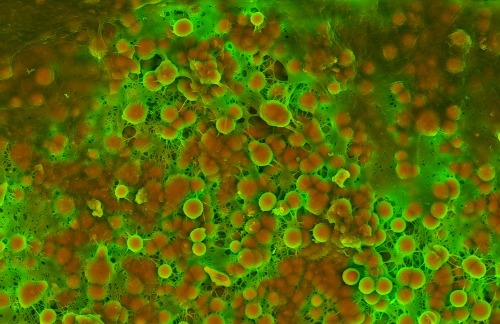
Yersinia pestis is a bacterium responsible for causing the infamous infectious disease known as plague. Plague has played a significant role in human history, with major pandemics such as the Black Death during the 14th century that resulted in widespread morbidity and mortality. Yersinia pestis belongs to the Yersinia genus and is primarily transmitted through the bites of infected fleas, which commonly infest rodents like rats. Humans can contract the disease through direct contact with infected animals or their fleas.
There are three forms of plague caused by Yersinia pestis : bubonic, septicemic, and pneumonic. Bubonic plague is characterized by the sudden onset of fever, chills, weakness, and the development of painful, swollen lymph nodes (buboes). Septicemic plague occurs when the bacteria spread to the bloodstream, causing symptoms like shock, abdominal pain, and vomiting. Pneumonic plague, the most severe and transmissible form, affects the respiratory system and can be transmitted between humans through respiratory droplets, posing a significant public health concern.
While modern antibiotics are effective in treating Yersinia pestis infections, the bacterium remains a potential biological weapon due to its historical impact and the potential for rapid spread. Efforts in public health, including surveillance, prevention measures, and early detection, play a crucial role in mitigating the impact of Yersinia pestis and preventing outbreaks of plague in vulnerable populations.