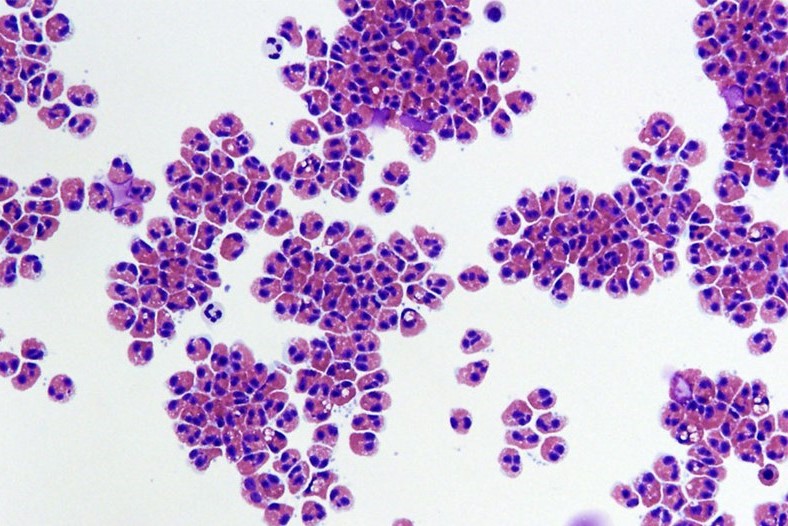
White blood cells, also known as leukocytes, are a crucial component of the body’s immune system, playing a central role in defending against infections and foreign invaders. Unlike red blood cells, which primarily transport oxygen and nutrients throughout the body, white blood cells are specialized cells involved in the immune response. They are produced in the bone marrow and circulate throughout the bloodstream and lymphatic system, actively patrolling for pathogens and abnormalities.
There are several types of white blood cells, each with its own distinct functions and characteristics. Neutrophils, for example, are the most abundant type of white blood cell and are highly effective at engulfing and destroying bacteria. Lymphocytes, including T cells and B cells, are responsible for mounting specific immune responses against viruses, bacteria, and other foreign substances. Monocytes patrol the bloodstream, where they differentiate into macrophages upon entering tissues, engulfing and digesting pathogens and debris.
White blood cells play a vital role in maintaining overall health and wellbeing, serving as the body’s first line of defense against infections and diseases. When the body detects an infection or injury, white blood cells are recruited to the affected area, where they work to eliminate the threat and promote healing. A healthy balance of white blood cells is essential for a properly functioning immune system, helping to protect the body from harmful pathogens while maintaining tolerance to its own tissues.