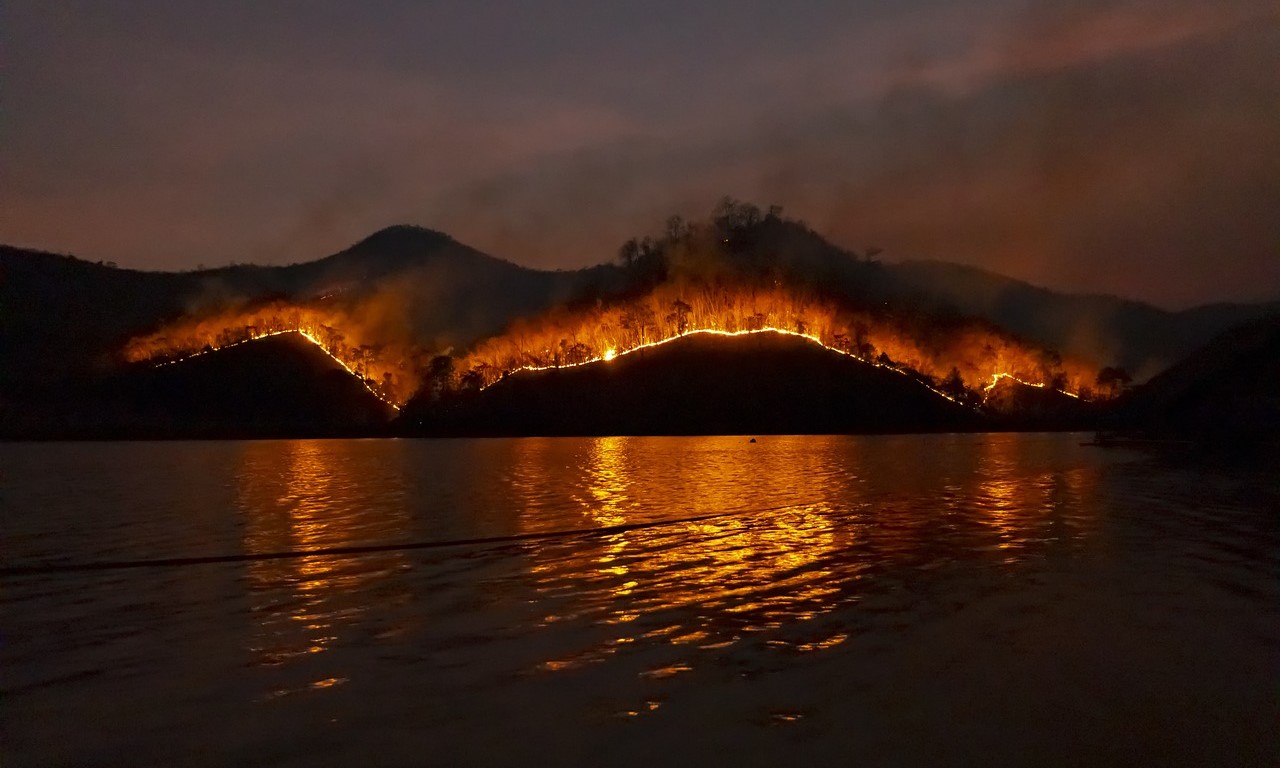
Wildfires, also known as forest fires or bushfires, are uncontrolled and often destructive fires that occur in wildland areas, such as forests, grasslands, and shrublands. These fires are typically ignited by natural causes, such as lightning strikes, or human activities, including campfires, discarded cigarettes, and arson. Once ignited, wildfires can spread rapidly, fueled by dry vegetation, strong winds, and favorable weather conditions.
Wildfires play a natural role in many ecosystems, helping to maintain biodiversity, recycle nutrients, and regenerate vegetation. Some plant species have even evolved to depend on periodic wildfires for seed germination and ecosystem renewal. However, wildfires can also pose significant risks to human life, property, and the environment, especially when they occur near populated areas or during periods of drought and extreme weather.
Efforts to prevent and manage wildfires involve a combination of strategies, including prescribed burning, fuel management, firefighting techniques, and public education. Firefighters and emergency responders work tirelessly to contain and extinguish wildfires, often risking their lives to protect communities and natural resources. Additionally, land management practices, such as creating firebreaks, implementing zoning regulations, and promoting fire-adaptive landscapes, can help mitigate the impact of wildfires and reduce their severity.