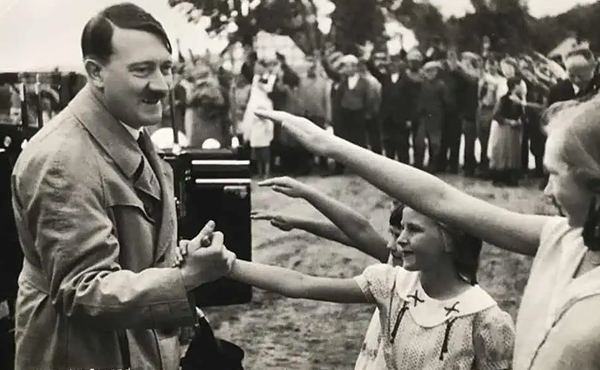
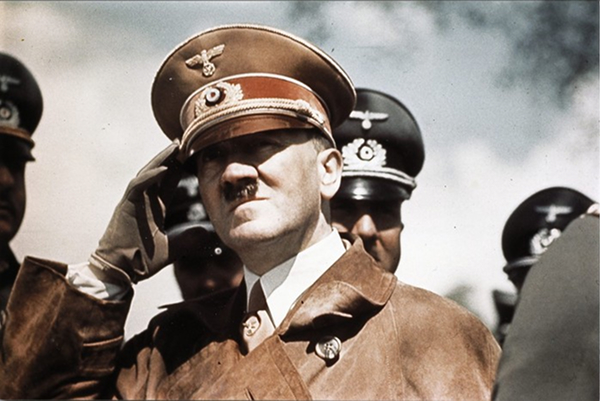
The rise of Adolf Hitler remains one of the most closely examined and debated political transformations in modern history. His path from a relatively unknown political agitator in post–World War I Germany to the absolute ruler of the country illustrates how fragile democratic institutions can become during periods of economic crisis, social unrest, and national humiliation. In the turbulent years of the Weimar Republic, widespread dissatisfaction, political fragmentation, and fear of instability created conditions that extremist movements could exploit.
Hitler’s ascent was not sudden, nor was it inevitable. It unfolded through a combination of calculated political strategy, effective propaganda, opportunistic alliances, and critical misjudgments by conservative elites who believed they could control him. Below are ten key facts that explain how he moved from relative obscurity to becoming the dictator of Germany and reshaping European history in the process.