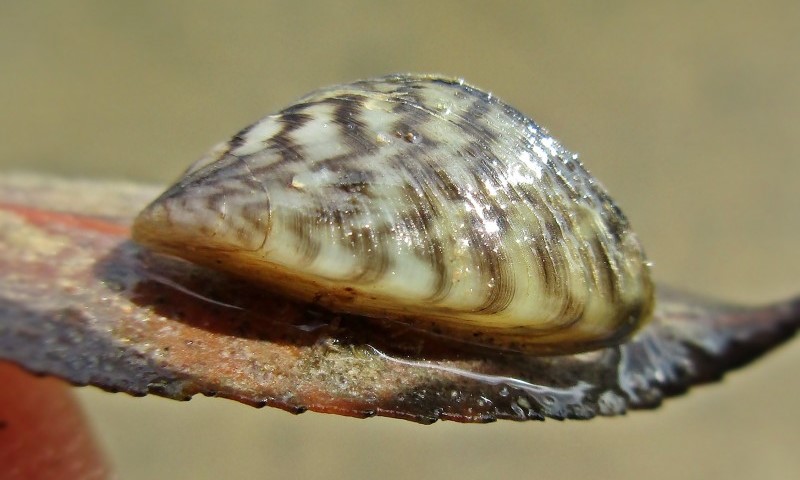
Zebra mussels (Dreissena polymorpha) are invasive freshwater mollusks that have become a significant environmental concern in various water bodies around the world. Native to the Caspian and Black Sea regions of Eurasia, they likely entered North America through ballast water discharged from ships in the 1980s. Zebra mussels are small, fingernail-sized mollusks characterized by their distinctive dark and light striped shells, resembling the pattern of a zebra.
One of the primary challenges posed by zebra mussels is their rapid reproduction rate and ability to form dense colonies. These colonies attach to various submerged surfaces, including rocks, docks, pipes, and even other native freshwater mussels. The prolific nature of zebra mussels has led to ecological imbalances, as they outcompete native species for resources and alter the structure of aquatic ecosystems. Moreover, their ability to filter large volumes of water for nutrients makes them efficient, but it can lead to water clarity issues and affect the abundance of plankton, which is a crucial component of aquatic food webs.
The economic impact of zebra mussels is also substantial. They can clog water intake pipes of power plants, industrial facilities, and municipal water suppliers, leading to increased maintenance costs and reduced efficiency. Additionally, recreational activities such as boating and fishing can be hindered, as zebra mussels accumulate on boat hulls and other equipment. Efforts to control the spread of zebra mussels include measures such as ballast water management regulations, awareness campaigns, and monitoring programs in affected water bodies.