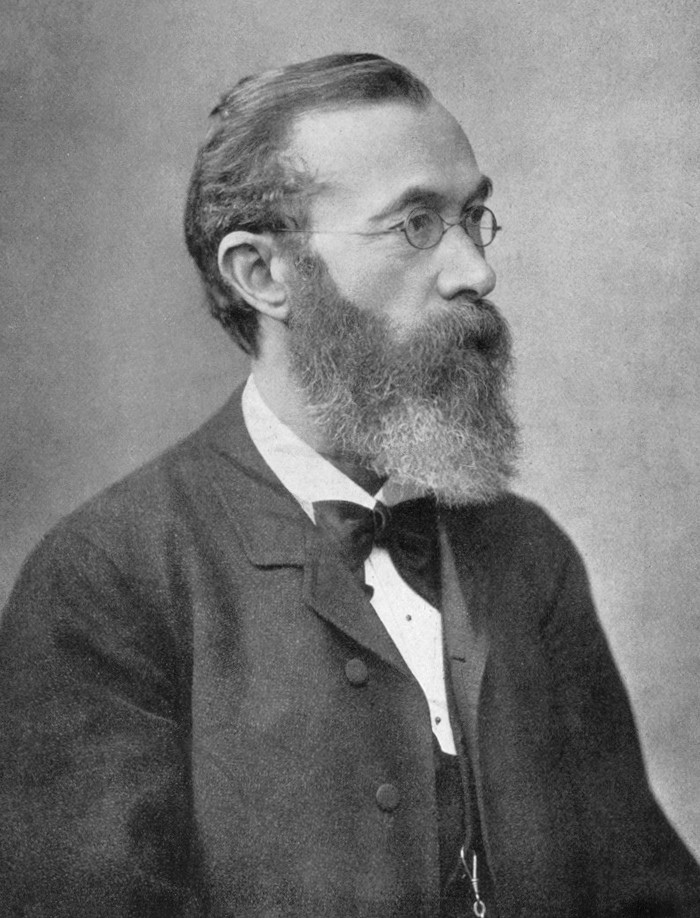
Wilhelm Maximilian Wundt was a German psychologist and philosopher who is often regarded as the founder of experimental psychology. Born on August 16, 1832, in Neckarau, Germany, Wundt pursued studies in medicine, physiology, and philosophy before establishing the first laboratory dedicated to experimental psychology at the University of Leipzig in 1879. His pioneering work laid the foundation for the emergence of psychology as a distinct scientific discipline.
Wundt’s approach to psychology was heavily influenced by his background in physiology and philosophy. He believed that the study of human consciousness and mental processes could be approached scientifically through systematic observation, experimentation, and introspection. Wundt’s research focused on topics such as sensation, perception, attention, and memory, and he developed experimental techniques to investigate these processes in a controlled laboratory setting.
One of Wundt’s most influential contributions to psychology was his theory of voluntarism, which emphasized the active role of the mind in organizing and interpreting sensory experiences. He proposed that human consciousness is characterized by a hierarchy of mental processes, with voluntary actions and higher-order cognitive functions playing a central role in shaping behavior and perception. Wundt’s ideas laid the groundwork for later developments in cognitive psychology and experimental methods, shaping the course of psychological inquiry for generations to come.