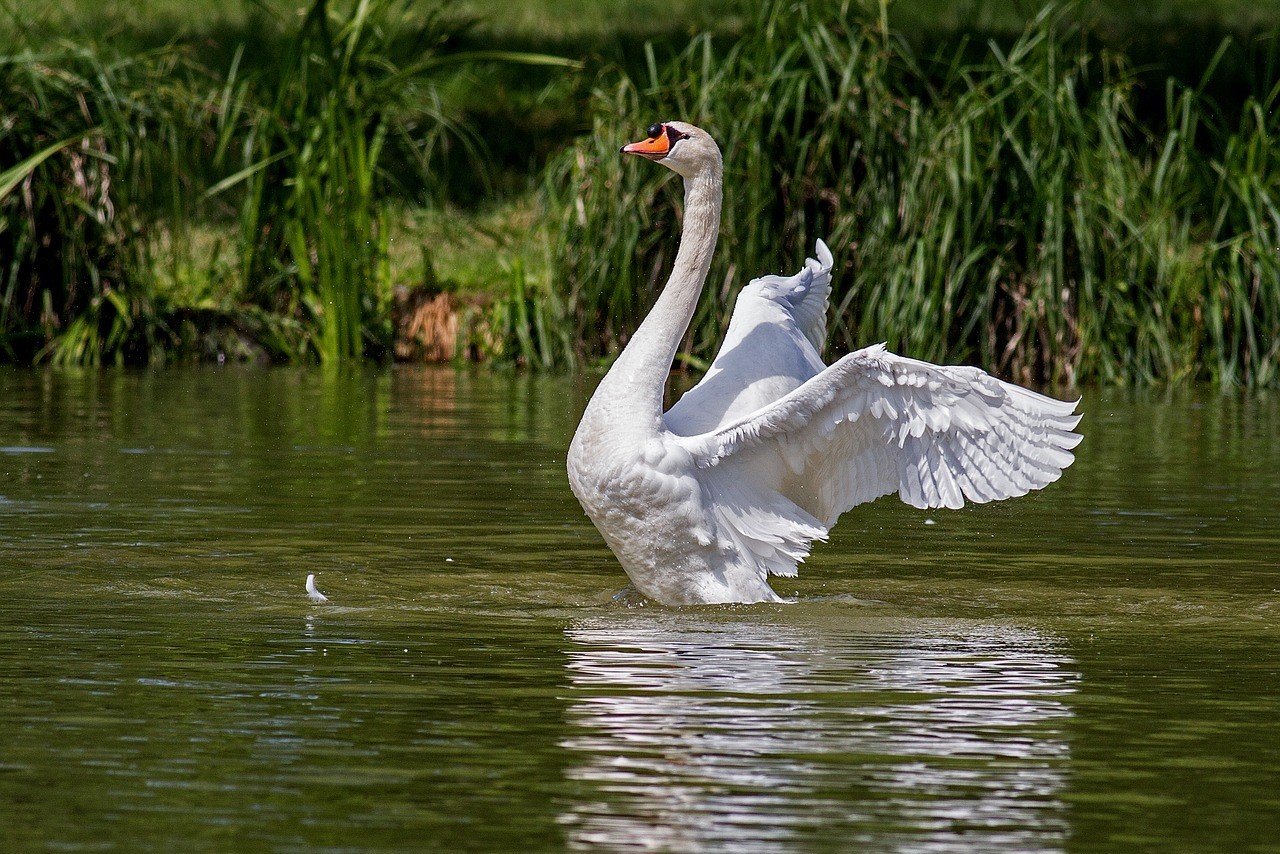
Waterfowl, commonly known as water birds, are a diverse group of birds adapted to aquatic habitats. They encompass a wide range of species, including ducks, geese, swans, and various types of seabirds. Waterfowl are characterized by their webbed feet, which aid in swimming, and waterproof feathers that keep them dry while diving and foraging in water.
One of the most prominent features of waterfowl is their migratory behavior. Many species of waterfowl undertake long-distance migrations between breeding and wintering grounds, often covering thousands of miles each year. These migrations are driven by changes in temperature, food availability, and daylight hours, and they play a crucial role in the distribution and survival of waterfowl populations.
Waterfowl are important components of aquatic ecosystems, serving as indicators of wetland health and contributing to ecosystem functioning. They play key roles in nutrient cycling, seed dispersal, and controlling insect populations. Additionally, waterfowl are valued by humans for recreational activities such as birdwatching, hunting, and eco-tourism, providing economic and cultural benefits to communities around the world.