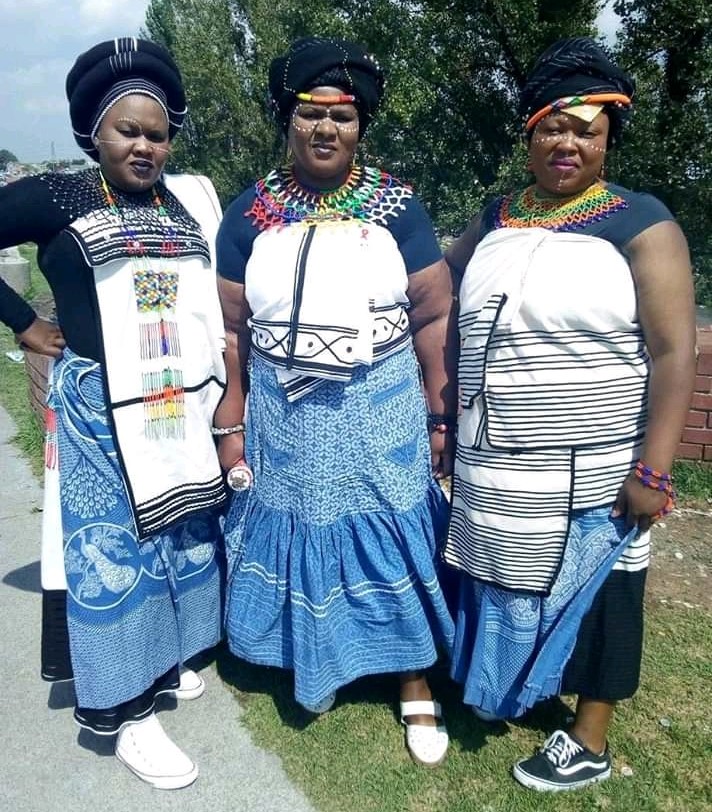
The Xhosa people are an ethnic group native to Southern Africa, primarily residing in the Eastern Cape Province of South Africa. With a rich cultural heritage, the Xhosa culture encompasses a diverse range of traditions, rituals, and customs that have been passed down through generations. One of the defining elements of Xhosa culture is the Xhosa language, isiXhosa, which is one of South Africa’s official languages and is characterized by its distinct click sounds.
Initiation rites, particularly the ulwaluko ceremony for young men, play a crucial role in Xhosa culture. During ulwaluko, initiates undergo a period of seclusion and are taught about the responsibilities of adulthood, cultural values, and traditional practices. The ceremony culminates in a circumcision ritual, symbolizing the transition from boyhood to manhood. Despite the significance of initiation, there have been ongoing efforts to address health and safety concerns related to the procedure.
Art and storytelling are integral components of Xhosa culture. The Xhosa people express their heritage through beadwork, music, dance, and oral traditions. Beadwork is a vibrant and symbolic form of artistic expression, often used to convey messages, stories, and social status. Additionally, traditional dances, such as the “Umngqungqo” and “Umgidi,” are performed during various celebrations and ceremonies, preserving the cultural identity and fostering a sense of community among the Xhosa people.