Here are 10 interesting facts about yarn to know more about it.

  1. Ancient Origins: Yarn has a rich history dating back to ancient times. Archaeological evidence suggests that early civilizations, including the Egyptians and Peruvians, were skilled in spinning and using yarn for various purposes.
  2. Spinning Traditions: The art of spinning yarn by hand has been passed down through generations in many cultures. Traditional spinning wheels and drop spindles were historical tools used for creating yarn before the advent of modern machinery.
  3. Diverse Fiber Sources: Yarn can be crafted from a wide array of fibers, including natural sources like wool, cotton, silk, and flax, as well as synthetic materials such as acrylic, nylon, and polyester. Each fiber type imparts unique characteristics to the yarn.
  4. Texture Variety: Yarn comes in a multitude of textures, ranging from smooth and silky to fuzzy or chunky. This variety allows crafters to choose the perfect yarn for their intended projects, whether it’s a delicate shawl or a cozy winter sweater.
  5. Color Options: Yarn is available in an extensive palette of colors, from subtle neutrals to vibrant hues. The color choices allow for endless creativity in crafting and design, making yarn an expressive medium for artists and hobbyists alike.
  6. Ply Classification: Yarn is categorized by its ply, which refers to the number of strands twisted together. Common ply classifications include single ply, two-ply, and multiple-ply yarns, each offering distinct qualities in terms of strength and texture.
  7. Self-Striping Yarn: Some yarns are dyed in a way that creates self-striping patterns as they are worked into a project. This eliminates the need for changing colors manually and adds visual interest to scarves, socks, and other items.
  8. Yarn Weight System: Yarn is classified into weight categories, ranging from lace and fingering to bulky and super bulky. This system helps crafters choose the appropriate yarn for their desired project, ensuring the right balance of drape and warmth.
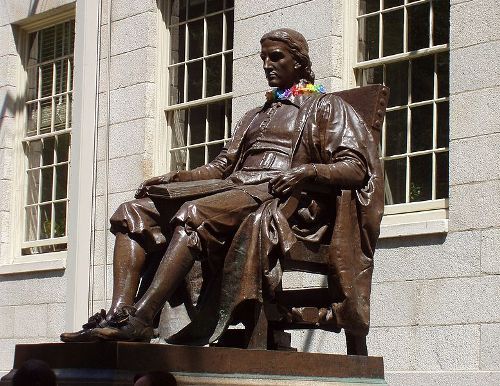
  9. Yarn Bombing: Yarn bombing, also known as yarn graffiti, is a form of street art where yarn or fiber is used to create colorful and temporary installations on public structures like lampposts, fences, and statues. It adds a whimsical touch to urban environments.
  10. Sustainable Yarn Options: With a growing focus on sustainability, eco-friendly yarn options are becoming increasingly popular. Yarns made from organic cotton, bamboo, and recycled fibers contribute to environmentally conscious crafting practices.

In the world of creativity and craftsmanship, yarn stands as an endlessly versatile and captivating medium. From its ancient origins in the hands of skilled spinners to the diverse array of fibers available today, yarn weaves a rich tapestry of colors, textures, and possibilities. As crafters and artists reach for the perfect skein to bring their visions to life, yarn becomes more than a material; it becomes a conduit for self-expression and innovation.

Whether used for intricate lacework, cozy winter garments, or whimsical street art, yarn is the thread that stitches together tradition and modernity, offering a tactile and colorful avenue for imagination to flourish. In every twist and turn, yarn tells stories of ancient traditions, contemporary creativity, and the enduring joy of handmade endeavors.