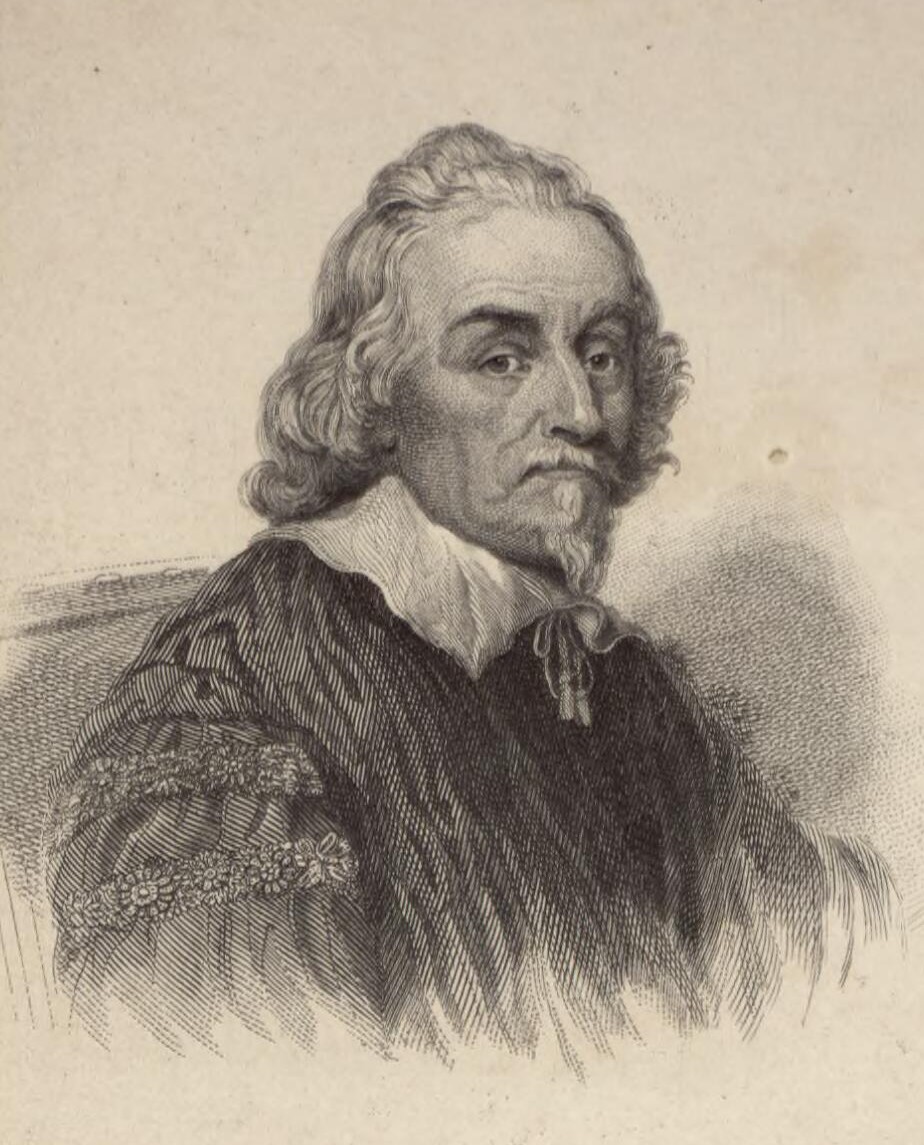
William Harvey, born on April 1, 1578, in Folkestone, England, was a pioneering English physician who is best known for his revolutionary discoveries in the field of anatomy and physiology, particularly his work on the circulation of blood. Harvey studied medicine at Gonville and Caius College, Cambridge, before completing his medical education at the University of Padua in Italy, where he studied under the renowned anatomist Hieronymus Fabricius. It was during his time in Padua that Harvey became fascinated with the workings of the human body and began to conduct the experiments that would shape his groundbreaking theories.
In 1628, Harvey published his seminal work, “Exercitatio Anatomica de Motu Cordis et Sanguinis in Animalibus” (An Anatomical Exercise Concerning the Motion of the Heart and Blood in Animals), in which he detailed his findings on the circulation of blood. Contrary to prevailing beliefs at the time, Harvey proposed that blood circulated continuously throughout the body, propelled by the pumping action of the heart. He also demonstrated that the heart acted as a muscular pump, rather than a vessel for the production of heat or the distribution of pneuma, as was previously believed.
Harvey’s discoveries revolutionized the field of medicine and laid the groundwork for modern physiology and biology. His meticulous observations and rigorous experimental methods helped establish the scientific method as the standard approach to studying the natural world. Despite facing initial skepticism and resistance from his contemporaries, Harvey’s work ultimately earned him recognition as one of the most important figures in the history of medicine, and his discoveries continue to inspire and inform scientific research to this day.